
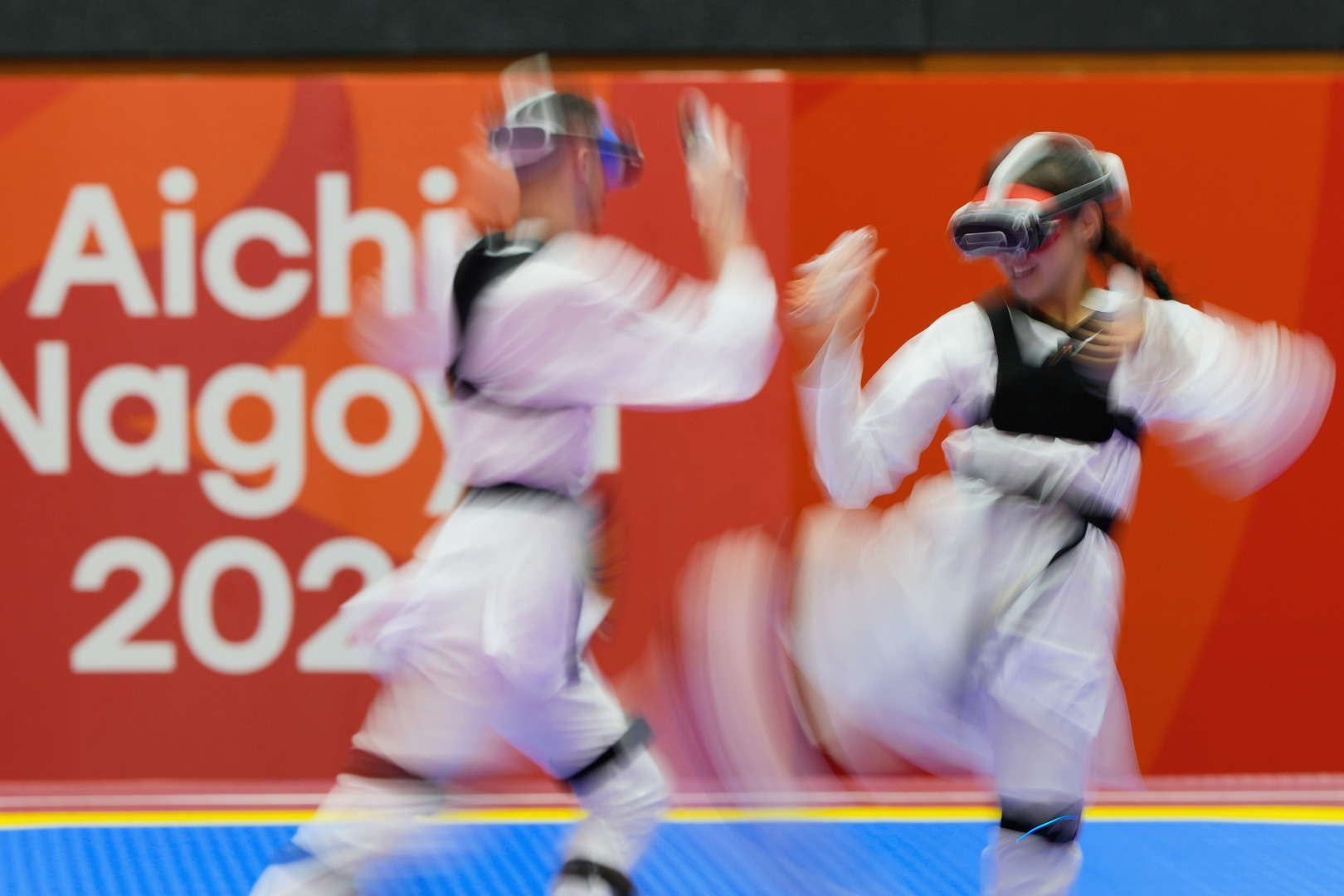
Before the First Round
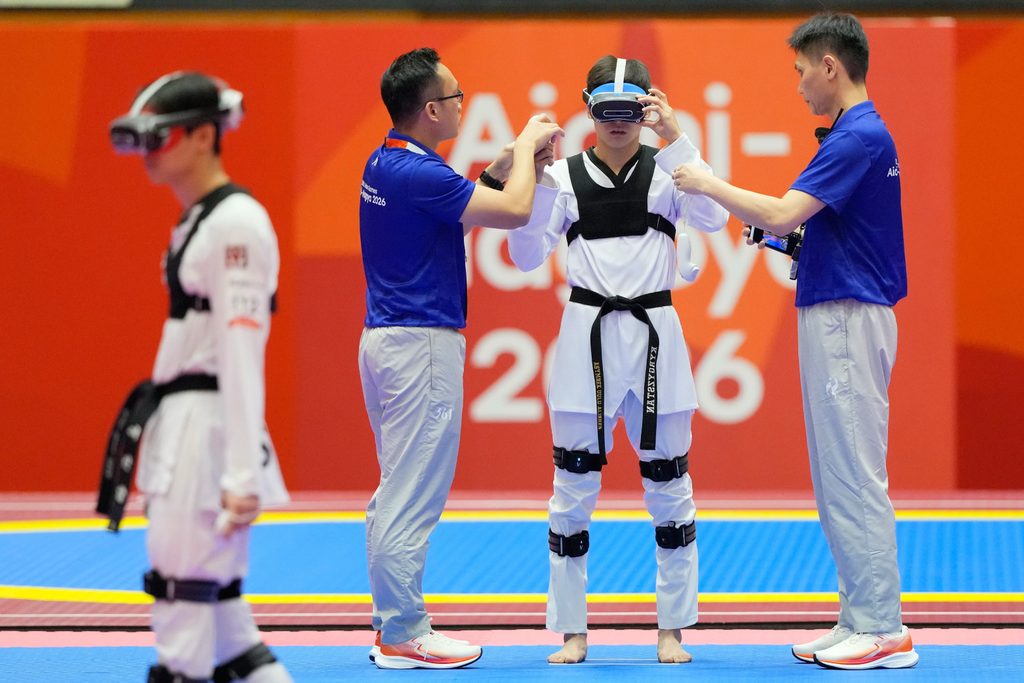
Long before the scores and the podium photos, there was the walk into the arena.
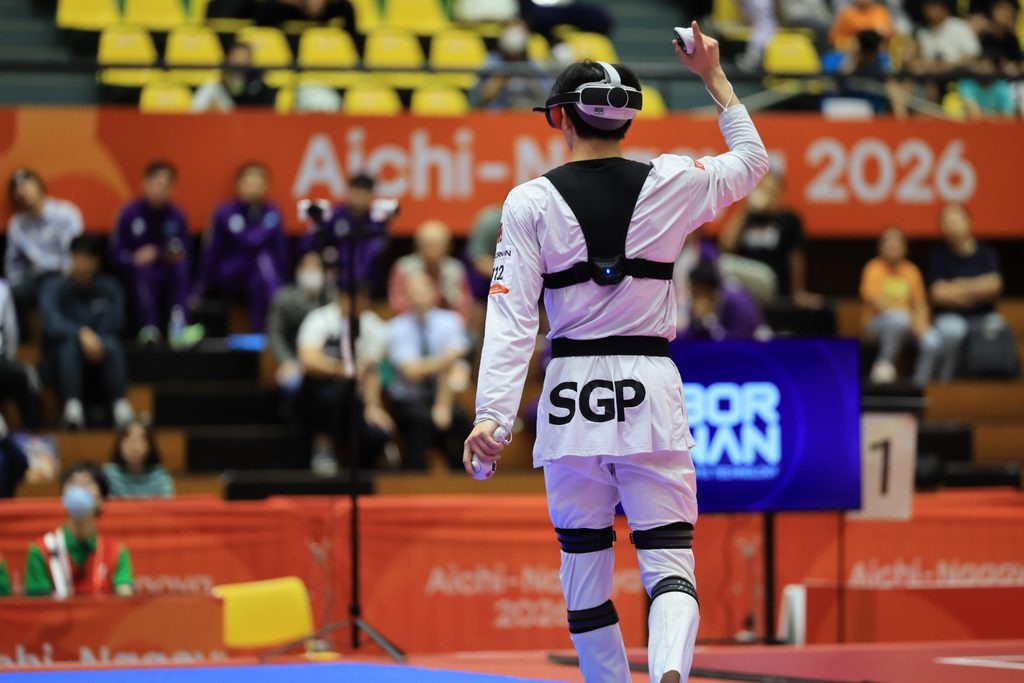
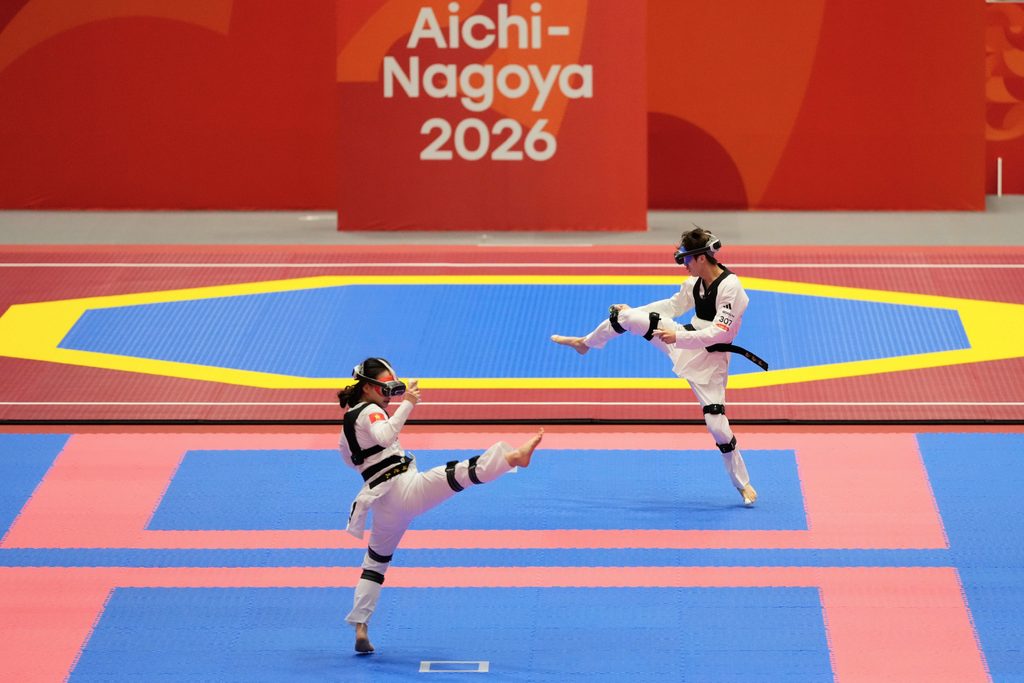
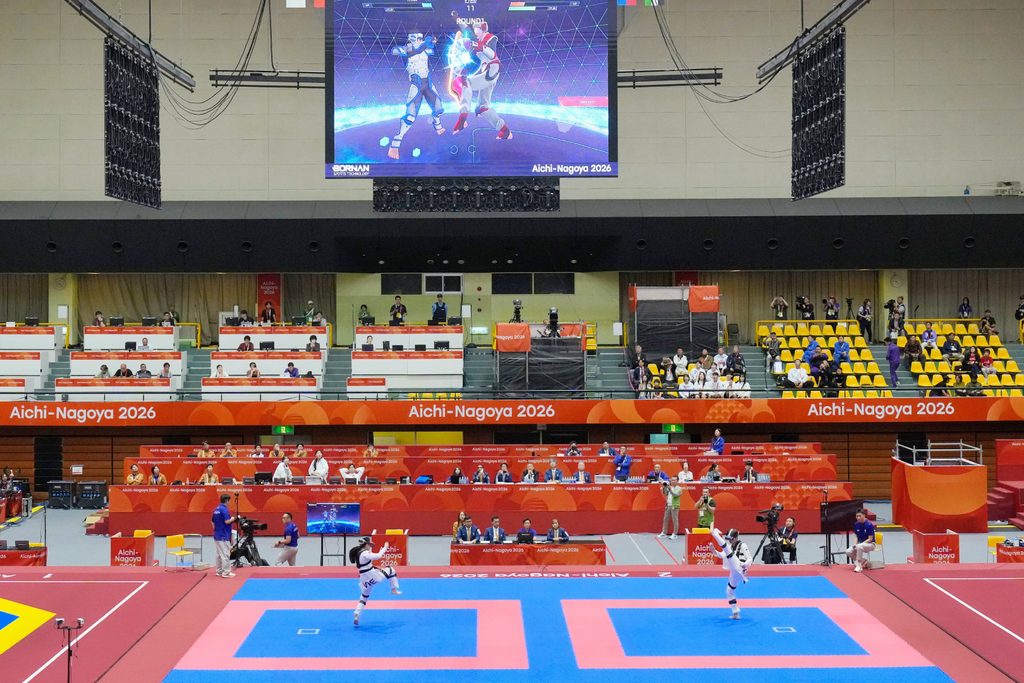
On 2 October, 16 athletes stepped onto the mats at Toyohashi City General Gymnasium for VTKD’s Asian Games debut. Months of training had led each of them to this one arena, and everything they’d worked for was about to begin. Ask them what they remember first, and it isn’t a kick or a score. It’s the feeling in their chest.
Miho Nakajima from Japan felt the gravity of the occasion straight away:
“I was nervous about being on a stage as big as the Asian Games, but since it was a new event, I was also excited.”
VTKD Silver medalist Chau Ngoc Tuyet Sang (Vietnam) describes the same mix:
“This was my first time competing in Virtual Taekwondo. It was a completely new challenge for me, especially competing on such a big stage. … Throughout the competition, I felt very nervous and excited.”
Nerves and excitement, side by side. But once the match begins, the nerves have to make room for something else.
Inside the Arena
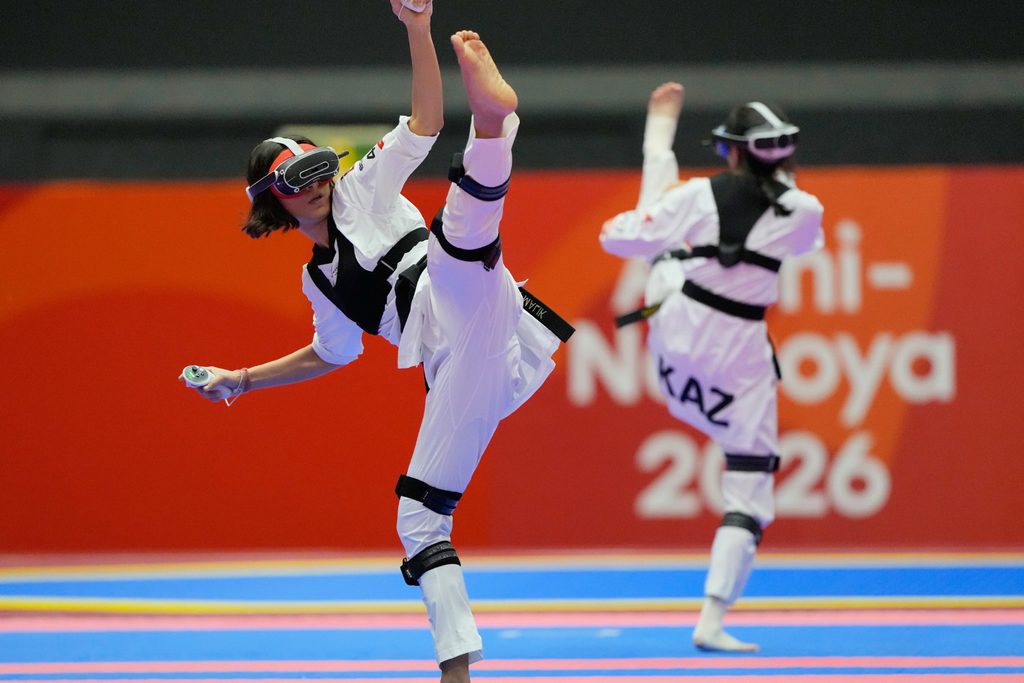
Then, the first round began, and focus took over.
Suzuki Hayate from Japan remembers one single thought when he walked out to his first match:
“I’m currently working as a taekwondo instructor while also taking on Virtual Taekwondo, but I used to compete as a kyorugi athlete. When I stepped into the arena, I felt the same kind of nervousness and excitement I felt when I competed in kyorugi. The thrill of “it’s finally starting” was very strong. I also felt the responsibility of competing under Japan’s flag.”
For the Philippines’ Jeus Gabriel Derick Yape, who went on to take gold, the finals came down to one thought:
“I was really just thinking of getting a KO and ending the round. I was really hyped when I saw my opponent’s life bar was almost out.”
Bronze medalist Rita Bakisheva from Kazakhstan points to what the format itself says about the sport:
“In this sport, there is no separation between men and women. Everyone competes in the same draw, and I think that’s great.”
When It Sank In
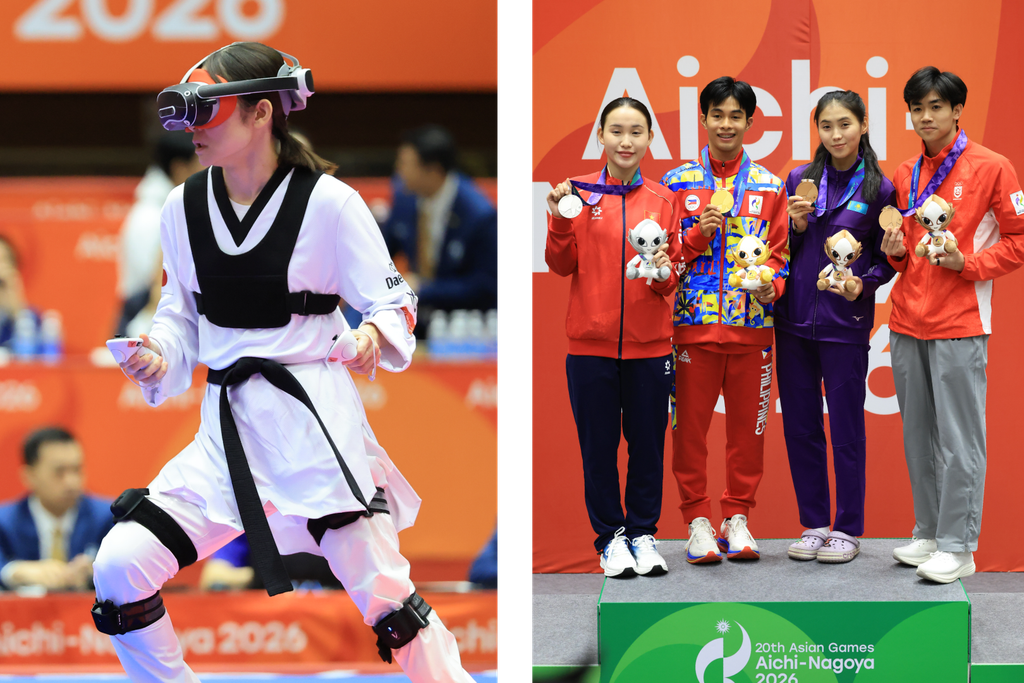
When it was over, the feelings arrived slowly.
On the podium, four medalists stood side by side, medals in hand and mascots tucked in their arms. For each of them, the result meant something different.
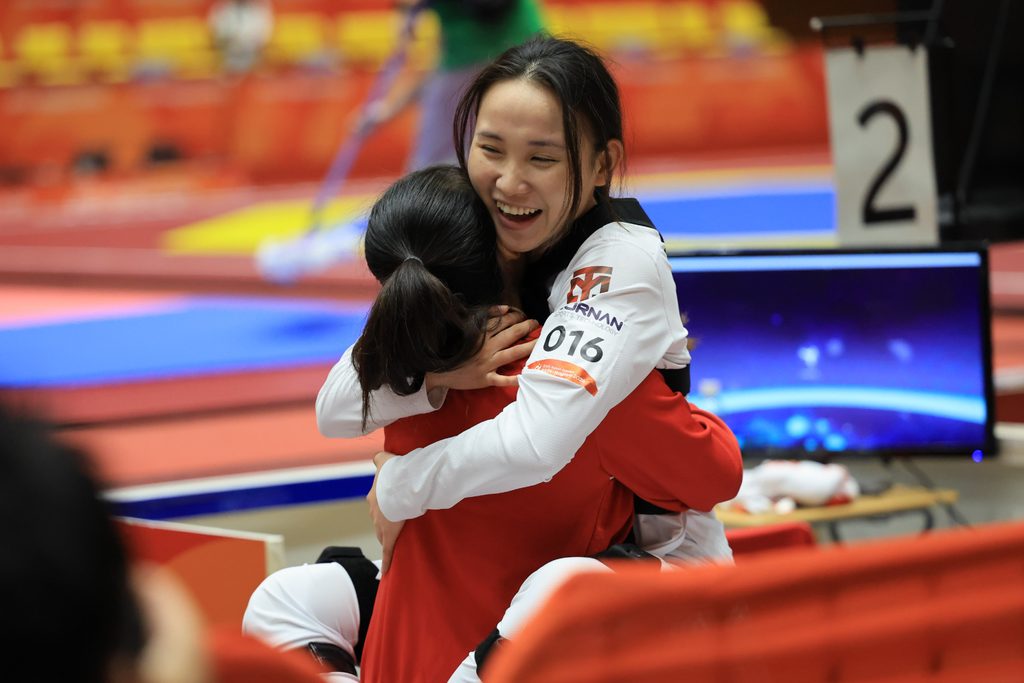
Tuyet Sang came in with a modest goal. The instant she knew the silver medal was hers, she felt a rush of emotions:
“My original goal was really just the bronze medal, so reaching the final and winning silver was completely beyond my expectations. It’s a feeling that’s really hard to describe, and it moved me deeply.”
For Singapore’s Darren Yap, who shared the bronze with Rita, it still feels almost unreal:
“It is a very surreal feeling and it is something I will cherish and remember for the rest of my life.”
For Miho, what lingers were the cheers:
“Competing with so many people cheering me on, with the Games being held in my home country, is a moment I think will stay with me forever.”
The People Behind Them
Almost every athlete turned to the people who got them there.
Sang’s thoughts went to her teammates, seniors, coaches and family:
“I’m truly grateful to my teammates, seniors, coaches, family, and everyone who has always supported and believed in me throughout this journey. I know I couldn’t have achieved this result without them.”
Jeus pointed to the training itself, and the people alongside him in it:
“It was very challenging because the training was of course hard, but also very enjoyable for me. I get to learn a lot of new things … while training with my seniors, Coach Dane, and Coach Niq, and while competing against other countries.”
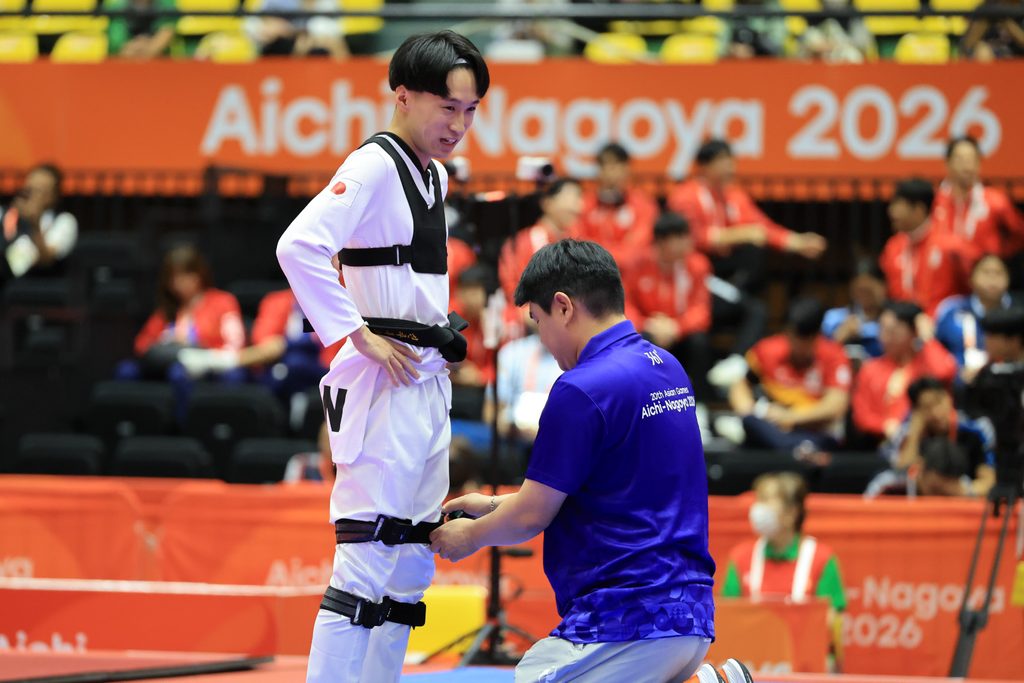
For Hayate, the memory he’ll keep is something closer to home. His father was the one who first suggested he try VTKD after he stepped away from taekwondo competition, and after his match the two shared an emotional hug:
“What was most memorable was the moment I hugged my father after the match. My father also once competed for Japan in kyorugi, but he wasn’t able to take part in the Hiroshima Asian Games 32 years ago. That’s why he was truly happy when I was selected to represent Japan this time.
I feel frustrated that I couldn’t repay him with a result, but I think the moment we hugged after the match, on this stage that my father helped connect me to, will stay with me forever.”
Open to What Comes Next
We asked the athletes what they’d tell someone curious about VTKD, or what they’re taking forward, and the answers look ahead.
Tuyet Sang’s advice is simple:
“Don’t be afraid to try something new. Give yourself time to get used to it, enjoy the process… Enjoy the experience and believe in yourself.”
On competing both at the VTKD Chuncheon Open and the Asian Games this year, Miho says:
“I learned that taking on new challenges without fearing change, and continuing to explore, leads to growth.”
Hayate, who also took part in both competitions, took away what he calls “match sense”:
“Since retiring from kyorugi … I had fewer opportunities to compete myself. I had been entering domestic virtual taekwondo tournaments, but international competitions have a unique tension. By experiencing two international events, Chuncheon and this Asian Games, I feel I’ve regained a good deal of my sense of competing as an athlete.”
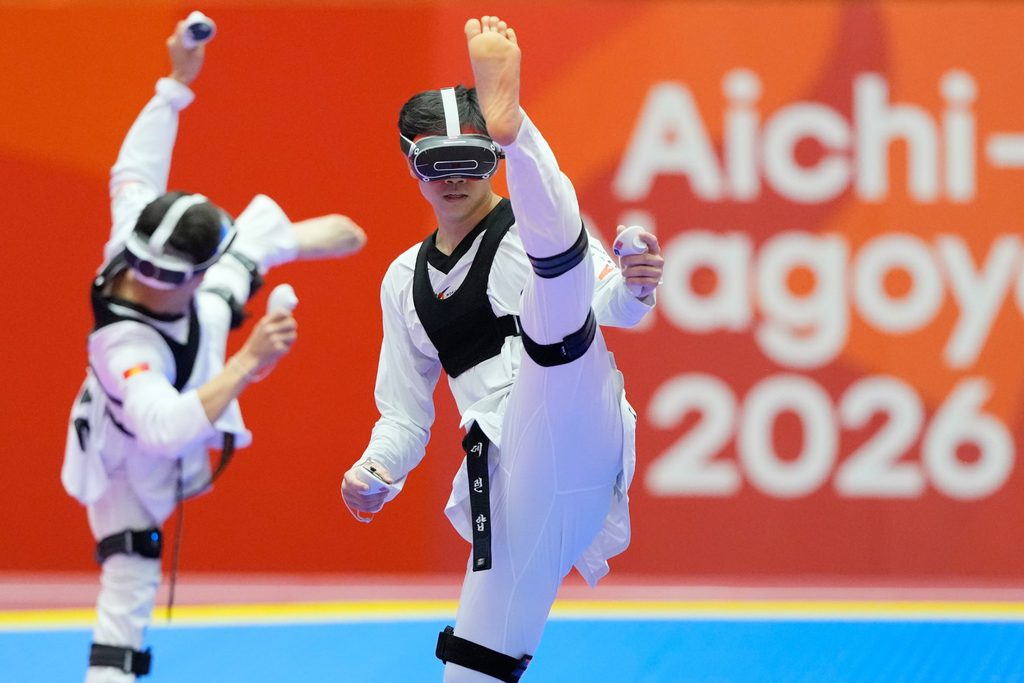
Some aimed for a medal. Some found their sense of competing again. Some are leaving with a lesson in not fearing change. Sixteen athletes stepped into the arena at Toyohashi, and each walked out carrying something of their own.
Thank you to the athletes who shared their words with us, and to all 16 who competed at Toyohashi. You gave VTKD’s Asian Games debut its heart.
Quotes lightly edited for length. Responses from Chau Ngoc Tuyet Sang, Suzuki Hayate and Nakajima Miho were translated from Vietnamese and Japanese.
Images used courtesy of the Asian Taekwondo Union & Photographer Dita Alangkara